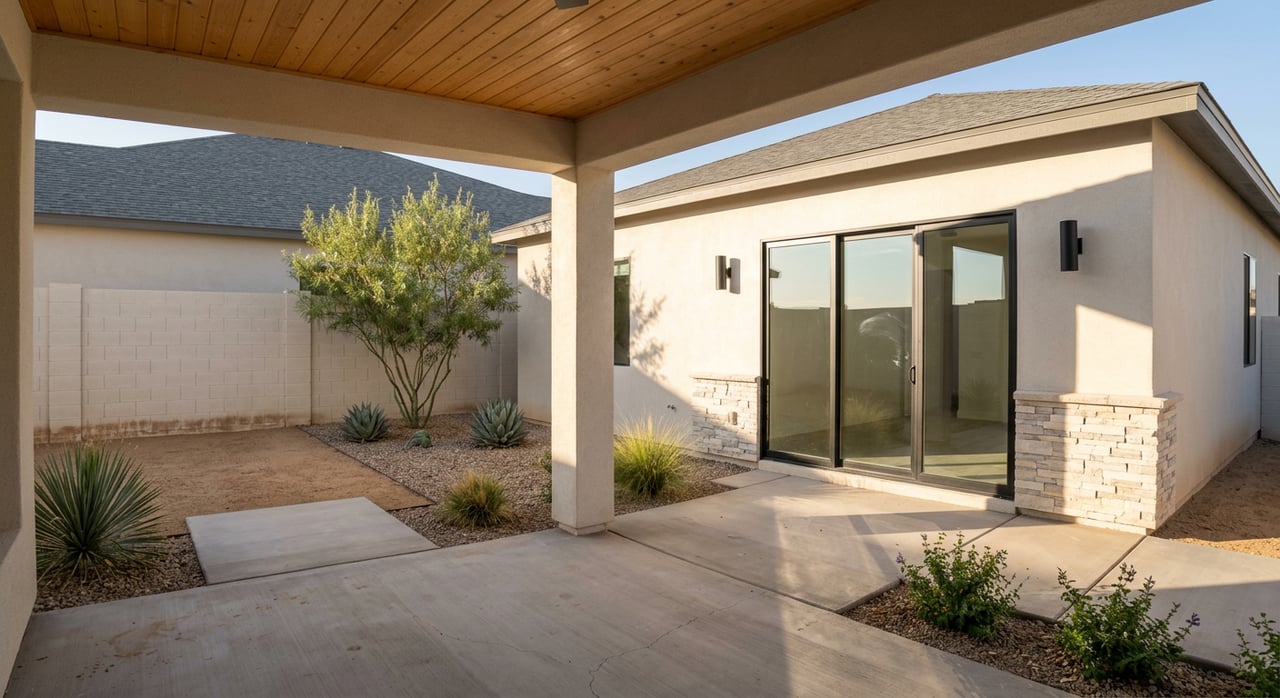
Thinking about a brand-new home in Los Lunas or Belen, but not sure where to start? You have options, from quick-move-in homes to build-to-order lots with space for your lifestyle. In this guide, you’ll learn who is building locally, what to ask before you sign, and how to compare new construction to resale so you can buy with confidence. Let’s dive in.
Market snapshot in Valencia County
New construction is growing in Belen and Los Lunas. The City of Belen approved a 107-acre Planned Area District called Jardin South that is expected to add about 460 single-family homes in phases, with 6,000-square-foot lot targets, open space, and HOA governance for the phase that moves forward. You can review the local coverage for details on the approval and phasing in the council discussion. The News-Bulletin summarized the approval and scope.
Los Lunas has been actively reviewing subdivisions to add housing supply and offer more flexible lot sizes for value-minded buyers. That is why you see national production builders alongside regional builders in the area. The result is more entry-to-mid price point options, although exact prices and incentives always vary by builder, plan, and phase.
Who’s building and what you’ll see
LGI Homes in Belen
LGI is building at Jardin De Belen and has plans tied to the approved Jardin South expansion. LGI typically markets all-inclusive packages, structural warranties, and frequent incentives like builder-paid closing costs. Floorplans in Jardin De Belen commonly range from about 1,150 to 2,100 square feet, with entry pricing that has been promoted in the low 200s to 300s on some plans, subject to phase and availability. Always confirm live pricing and incentives with the sales office. Explore the community overview on the LGI Homes page for Jardin De Belen.
Major national builders in Los Lunas
In Los Lunas, you will find neighborhoods with quick-move-in inventory from major national builders, offering 3 to 5 bedroom plans, model homes, and design-center options. Many of these communities sit near established master-planned areas and town amenities. Ask each builder for a current lot map, inventory list, and what is included versus an upgrade.
Regional and niche communities
Local and regional builders provide alternatives to national production, with different finish levels and occasional larger lot choices. Niche communities also serve specific buyer segments, including active-adult neighborhoods in the area. If you prefer a certain lifestyle or amenity set, ask for community standards, HOA details, and any age-related occupancy requirements before you tour.
Pick the right lot: what to check first
A smart lot choice protects your investment and your daily comfort. Use this quick checklist before you commit.
- City or county services. Confirm whether the property is inside city limits and set to connect to municipal water and sewer. For Belen-specific permit and utility coordination, start with Belen Development Services.
- Water and wastewater. If the lot is not served by city mains, plan for a private well and septic and confirm feasibility in writing. New Mexico’s Liquid Waste Program lists approved products and permitting basics. Review the NMED septic approved-products page.
- Floodplain and drainage. Lots near the Rio Grande, arroyos, or mesa edges can sit in mapped flood zones. Ask the builder for an Elevation Certificate and check the FEMA map for your parcel. Start with the FEMA flood map document for Valencia County. If your lot is in a flood zone, budget for insurance and confirm building requirements.
- Soils and foundations. Local soils vary. For custom lots, order a site-specific geotechnical report to size foundations and address expansive soils. For a quick high-level review, use the NRCS Web Soil Survey, then rely on an engineer’s report for final guidance.
- HOA, CCRs, and community rules. Many new neighborhoods have HOAs that set exterior standards, landscaping, and fencing rules. In Belen’s approved Jardin South, public discussions confirmed HOA formation for the new phase. Review projected dues, reserve studies, and any special assessments. See the local approval coverage for Jardin South for context.
- Subdivision documents. Ask for the plat, grading and drainage plan, and the lot map. These documents outline easements, pad elevations, and planned adjacent phases that can affect privacy and views.
Contracts, timelines, inspections, and warranties
Builder contracts: know the fine print
Builder purchase agreements are written by the builder and often limit termination rights, appraisal or home-sale contingencies, and the timing for design selections. Have your agent or a real estate attorney review the agreement before you sign. Understand the deposit schedule, change-order rules, and what happens if the appraisal or your financing has an issue. A practical overview is in this step-by-step new construction guide.
Build timelines and move-in windows
Quick-move-in homes can close in a few weeks to a couple of months. A build-to-order home typically runs several months, often 4 to 12 months depending on the plan and phase. Weather, municipal inspections, supply chain and subcontractor schedules can shift dates. Ask the sales manager for the builder’s recent average completion time for your floorplan and whether the contract includes remedies if the date moves. See the new construction guide for what to expect.
Independent inspections for new homes
Municipal inspections do not replace independent inspections. Hire a third-party inspector for at least three checkpoints: pre-drywall, final walkthrough, and an 11-month warranty inspection. This sequence catches framing or systems issues early and documents punch-list items before warranty windows close. A concise explainer on inspection timing is here: new-construction inspection checkpoints.
How builder warranties usually work
Many builders or third-party programs follow a tiered approach: about one year for workmanship items, about two years for major systems, and longer coverage for structural components. Always get the actual warranty document, learn how to submit claims, and confirm who performs repairs and typical response times. For a practical overview, see these tips on new-home warranties.
Financing and incentives
You have multiple paths:
- Buy a spec or quick-move-in with a standard mortgage at closing.
- Use a construction-to-permanent loan that funds the build and converts to a permanent mortgage.
- Use a stand-alone construction loan, then a second mortgage at completion.
Many builders offer preferred-lender incentives. Compare the net result to independent lenders, including rate, points, and any closing-cost credits. Government-backed programs like FHA, VA, and USDA may be options depending on your eligibility and the property. New Mexico’s Mortgage Finance Authority also offers down-payment assistance programs through approved lenders. Ask your lender to check current program amounts and income limits and to coordinate any extra inspection or warranty requirements.
New construction vs. resale: quick comparison
Choosing between new and resale depends on your timeline, budget, and priorities. New homes can carry a higher price per square foot than some existing homes in the same area, which aligns with national and local analyses for Los Lunas. Review the AEI Housing Center playbook for Los Lunas for context on how zoning and product type influence pricing.
| Factor | New Construction | Resale |
|---|---|---|
| Move-in timeline | Often several months unless you buy a spec | Usually 30 to 60 days after contract |
| Customization | You choose finishes if you buy early in the build | As-is, then renovate to taste |
| Warranty and repairs | Builder and structural warranties reduce early risk | No builder warranty; rely on inspection and reserves |
| Energy efficiency | Newer codes and systems can lower utility use | Varies by age, updates, and condition |
| Price trend | Often a premium per square foot in many submarkets | Often lower cost per square foot, condition-dependent |
| HOA and amenities | Common in planned communities; check dues | Varies by neighborhood; some have no HOA |
Tip: Weigh four things before you choose. 1) How fast you need to move. 2) How much customization matters. 3) Your tolerance for HOA rules and dues. 4) Long-term maintenance plans and total carrying cost.
Questions to ask before you sign
Use this list during your first visits and design meetings.
Ask the builder or sales rep:
- Is the advertised price the base price, and what is included versus an upgrade for flooring, kitchen, and window packages? See how one builder outlines inclusions on the Jardin De Belen page.
- Can I review the lot map, plat, grading, and drainage plan for my specific lot? Is the lot in a FEMA flood zone, and can you provide an Elevation Certificate? Start with the FEMA flood map document.
- What is the estimated completion date, and what could delay it? What are my remedies if you miss that date? A useful overview is in this new construction guide.
- What inspections are allowed and when? Will you allow my inspector at pre-drywall, final, and 11-month stages? See the inspection checkpoints overview.
- What are the full warranty terms and claim process? Review coverage length for workmanship, systems, and structural items. These new-home warranty tips explain typical structures.
- Are there preferred-lender or title incentives? Can you provide a net comparison if I use my own lender?
- What are the HOA documents, projected dues, and reserve study? Are special assessments planned for upcoming phases? The Jardin South approval coverage highlights HOA planning in new phases.
Ask your agent or lender:
- Which comparable closed sales support the price for this plan and phase, including common upgrade and lot premiums? A new construction overview can help frame questions.
- Which inspections and local engineers do you recommend for pre-drywall and 11-month reviews?
- Do I qualify for state down payment assistance through the New Mexico MFA, and will you manage the reservation and paperwork if I do?
Local steps to keep your purchase on track
- Get your documents. Collect the subdivision plat, grading and drainage plan, elevation data, and HOA documents in your first week of contracting.
- Confirm utilities in writing. For properties in or near Belen, coordinate with Belen Development Services to verify water, sewer, impact fees, and permitting steps.
- Verify site feasibility. If you are considering lots outside municipal services, review the NMED septic page and the NRCS soils survey, and budget for engineering as needed.
- Plan your inspection calendar. Schedule pre-drywall, final, and an 11-month inspection up front so you do not miss key windows.
- Review your contract timeline weekly. Touch base with your sales rep for status on permits, inspections, and any weather or supply updates.
You deserve a smooth, data-backed path to your new home. If you want local insight on lot selection, builder comparisons, and negotiation strategy, connect with the concierge team at K2 Omni Group for a clear, step-by-step plan.
FAQs
What should I know about HOAs in new Belen communities?
- Many new phases, including the approved Jardin South area, plan for HOA governance. Ask for dues, reserve studies, rules, and any planned special assessments before you sign.
How long does it take to build a home in Los Lunas or Belen?
- Quick-move-in homes can close within weeks, while build-to-order plans often take 4 to 12 months depending on phase, inspections, weather, and materials.
Do I still need a home inspection on a brand-new house?
- Yes. Hire an independent inspector for pre-drywall, final walkthrough, and an 11-month review to document items before warranty windows expire.
What does a typical new-home warranty cover?
- Many builders use tiered coverage, commonly about one year for workmanship, two years for systems, and longer for major structural components; always review the actual document.
Can I use FHA, VA, or USDA loans for a new build in Valencia County?
- Often yes, depending on eligibility and property type. Some builders also offer preferred-lender incentives, so compare total costs and terms before you choose.
How do new construction prices compare to resale locally?
- New homes often carry a premium per square foot relative to some resale stock due to newer systems, finishes, and warranties. Weigh total cost, timeline, and HOA dues against your goals.