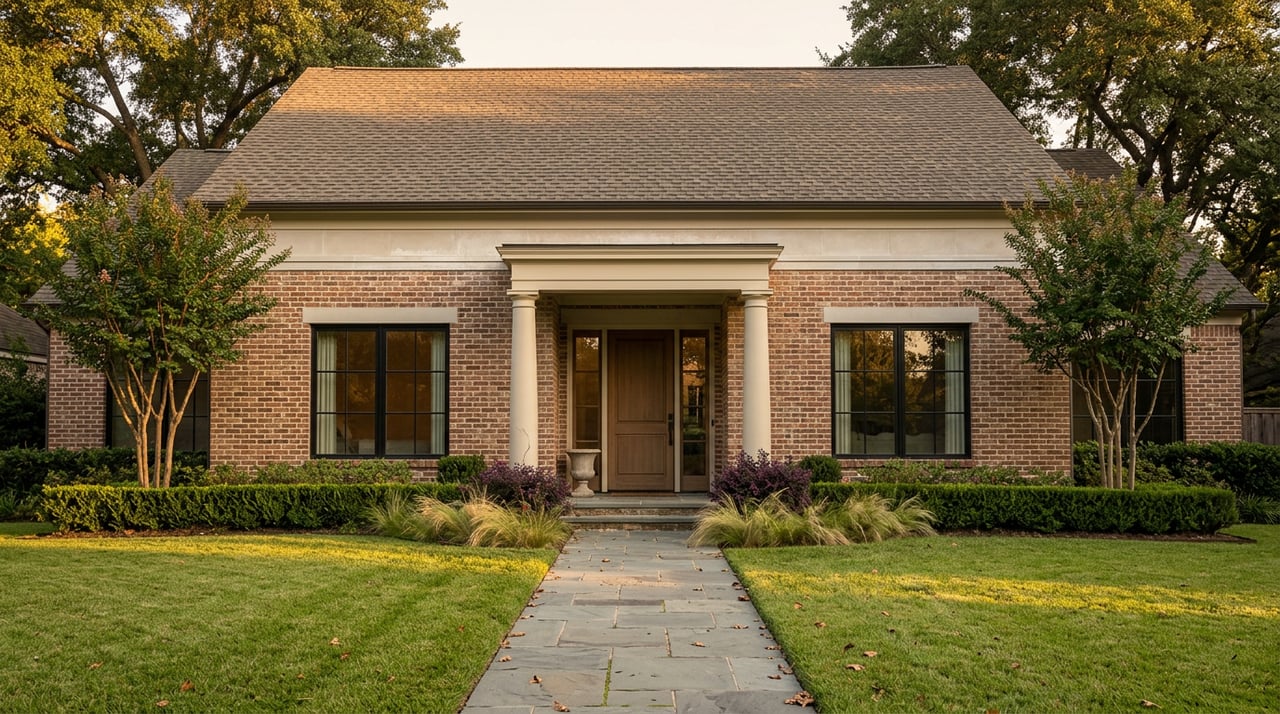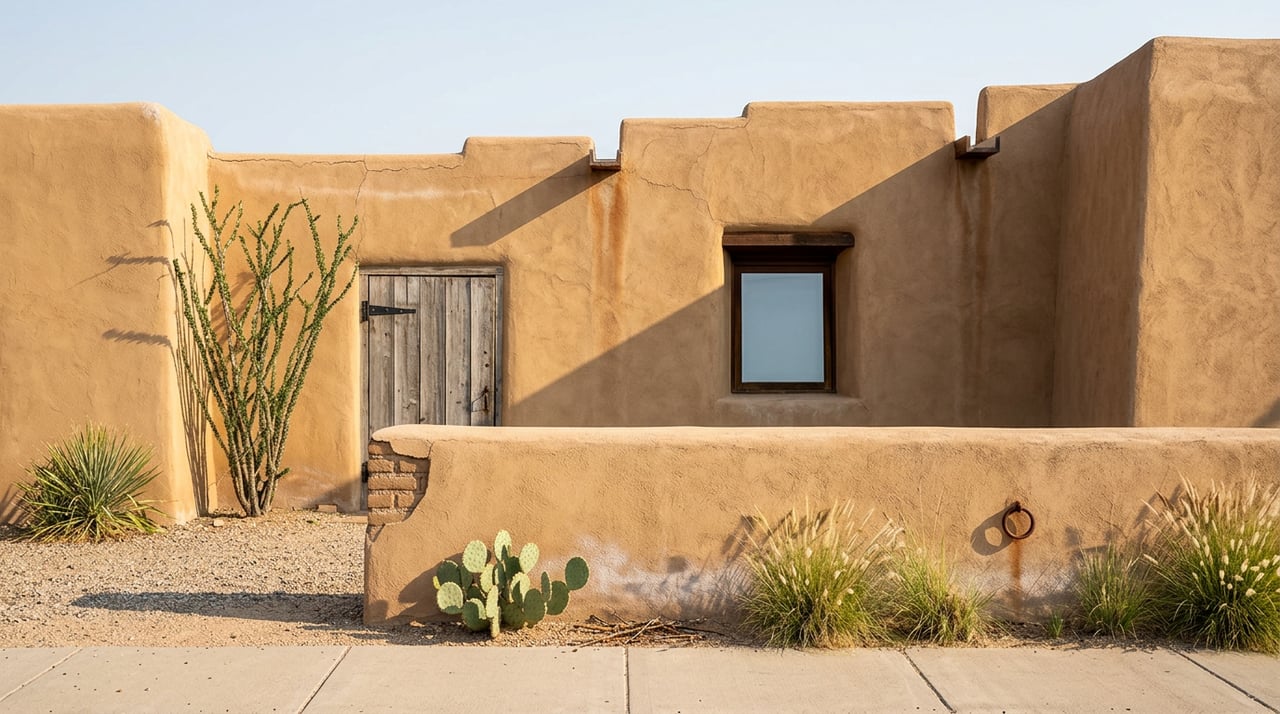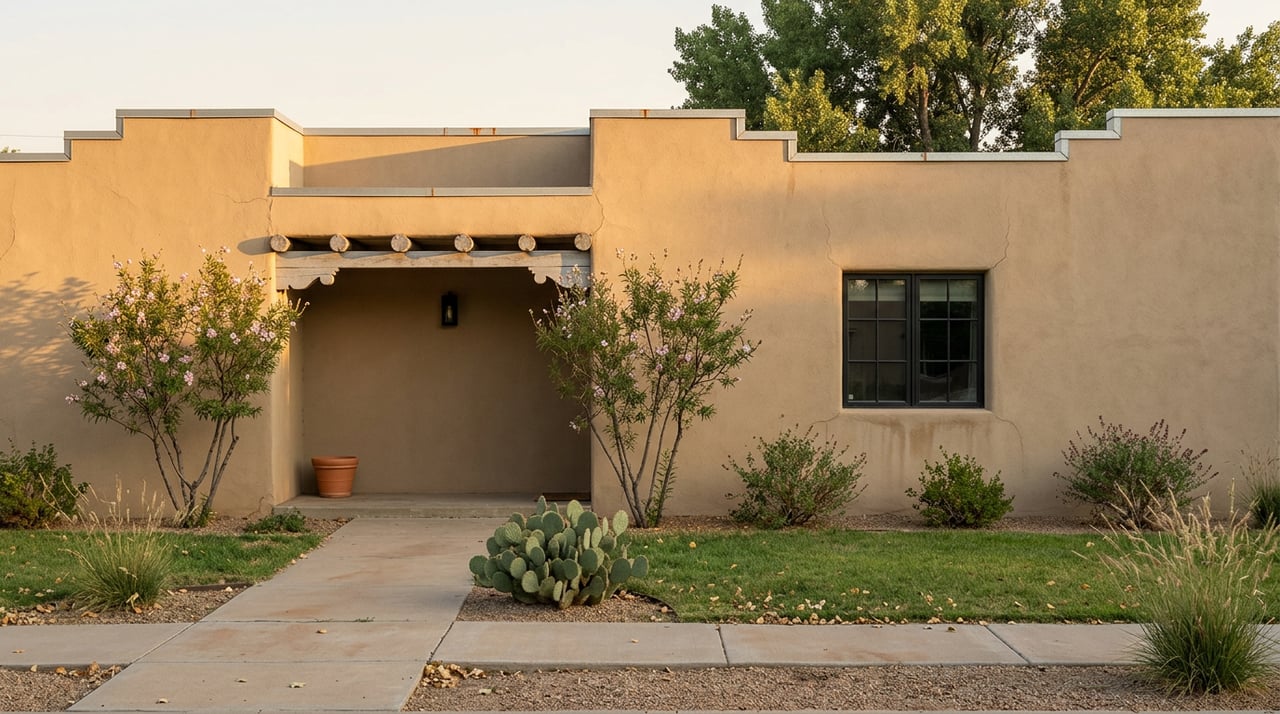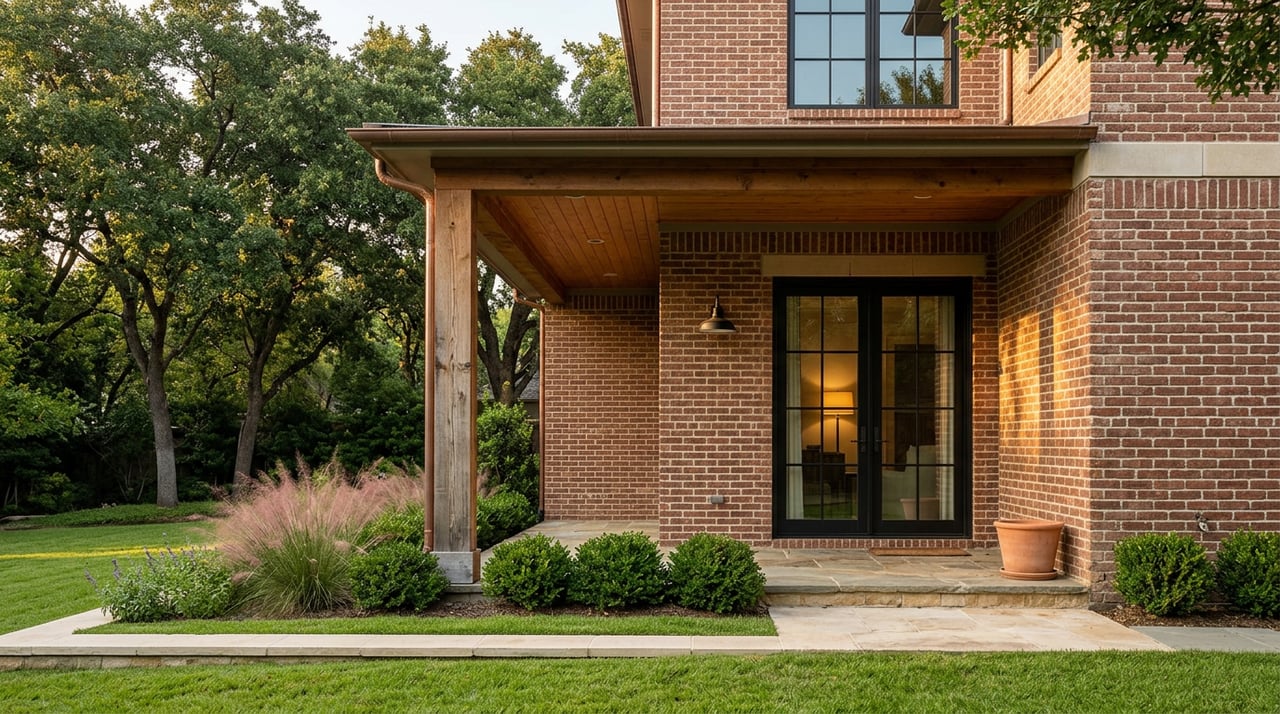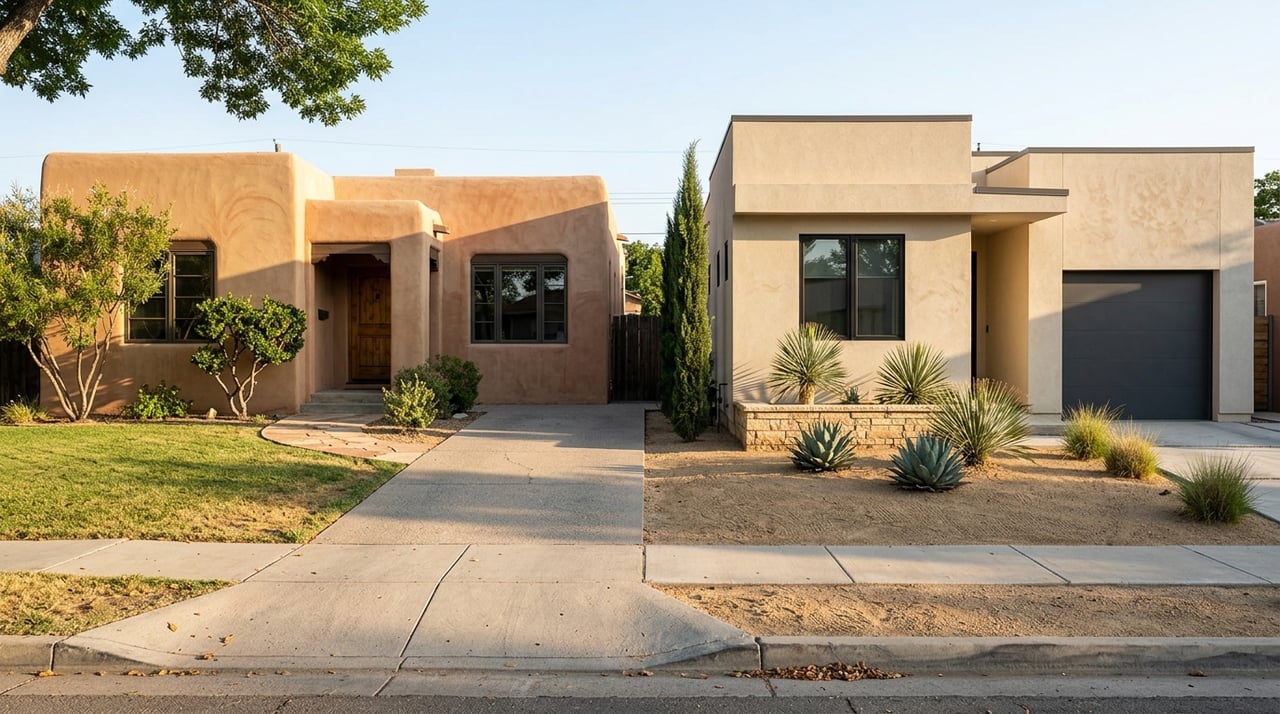
If you are deciding between Albuquerque and Rio Rancho, you are not just comparing two cities. You are comparing two different home-search experiences. The right fit depends on what matters most to you, from home type and lot size to commute patterns and daily convenience. This guide will help you weigh the tradeoffs with more confidence. Let’s dive in.
Start With Home Type
One of the biggest differences between Albuquerque and Rio Rancho is the kind of housing you are most likely to find.
Albuquerque offers a broader mix of homes. According to the City of Albuquerque, about 63% of the city’s housing is single-family detached, and recent zoning changes have expanded options like casitas and other housing types near Main Street and premium transit areas. That wider mix helps if you want flexibility in your search, whether that means a detached home, townhome, condo, or infill property in a more central area.
Rio Rancho is much more focused on detached homes. The city’s housing analysis reports that 88.3% of occupied units are one-unit detached homes, with much smaller shares in attached housing, apartments, or mobile homes. If your top priority is a suburban-style detached home, Rio Rancho may give you a more targeted starting point.
Who Albuquerque May Fit Best
Albuquerque may be the stronger option if you want:
- More condos or townhome options
- A wider range of older and newer housing types
- Infill housing in more central locations
- More variety in neighborhood patterns
Who Rio Rancho May Fit Best
Rio Rancho may be the stronger option if you want:
- A detached single-family home
- A more suburban layout
- A search focused less on attached housing
- A housing stock that trends newer overall
Compare Lot Size and Neighborhood Pattern
Beyond home type, it helps to think about how each market feels on the ground.
Illustrative current listings show Albuquerque with a wide spread of lot sizes, from compact lots around 4,199 square feet to larger parcels over an acre. Rio Rancho listings also vary, but examples more often surface suburban and estate-style lots, including roughly 0.36-acre, 0.5-acre, and 1-acre properties. That does not make one market better than the other, but it does show a different pattern.
In practical terms, Albuquerque tends to offer a broader mix of compact infill lots and larger parcels. Rio Rancho more often reflects a suburban growth pattern with larger-lot development in outlying areas. Rio Rancho planning documents describe this development pattern directly, especially in future growth areas like City Center and Enchanted Hills.
What This Means For You
If you want a home search with more lot-size variety, Albuquerque may give you more options across established and infill settings. If you picture a newer-feeling suburban layout with more consistently larger lots, Rio Rancho may align better with that goal.
Consider Home Age and Condition
Home age can shape everything from style and layout to maintenance and renovation potential.
Albuquerque has a larger share of older housing stock. The city’s fair-housing assessment found that 42% of owner-occupied homes were built before 1980, and another 29% were built from 1980 to 1999. That often appeals to buyers who want established areas, mature streetscapes, or a home with remodeling potential.
Rio Rancho’s housing stock trends younger. Its housing data shows 40.6% of homes were built from 1980 to 1999 and 31.7% from 2000 to 2009. That younger profile may appeal if you prefer layouts and construction eras that feel more recent.
Albuquerque vs. Rio Rancho on Age
| Factor | Albuquerque | Rio Rancho |
|---|---|---|
| Housing mix | Broader variety | Mostly detached homes |
| Age profile | More older housing | Younger overall stock |
| Common appeal | Established areas, remodel potential | Newer suburban feel |
| Lot pattern | Compact infill to large parcels | More suburban and larger-lot patterns |
Look At Commute and Access
Your daily routine matters just as much as the home itself.
Census Reporter data for Albuquerque shows a mean travel time to work of 23.1 minutes. In Rio Rancho, that average is 29.7 minutes. That gap will not matter equally to every buyer, but if you want to stay closer to major job centers or cut down on drive time, it is an important point to weigh.
Albuquerque also has a stronger transit spine. The city’s Albuquerque Rapid Transit system runs along Central Avenue from the Westside through Downtown and Nob Hill to Uptown. The city’s broader planning framework also highlights major transit corridors like Central, Coors, Unser, and Paseo del Norte.
Rio Rancho does offer public transportation connections. The city lists ABQ Ride, Rio Metro bus service, and access to the New Mexico Rail Runner, along with commuter-oriented Dial-a-Ride connections. Still, Rio Rancho’s network is more connector-based than Albuquerque’s more established fixed-route urban core.
Ask Yourself These Commute Questions
- Where do you work most often?
- How important is a shorter average commute?
- Do you want access to stronger transit corridors?
- Are you comfortable with a more driving-oriented routine?
Think About Amenities and Everyday Lifestyle
When you compare cities, you are also comparing how you want your week to feel.
Albuquerque’s amenity pattern is more urban and regionally connected. The city’s comprehensive planning documents point to major activity centers such as the Sunport, the University of New Mexico, the BioPark, Historic Central, and Balloon Fiesta Park. Albuquerque also offers access to outdoor assets like the Paseo del Bosque Trail, which adds to its mix of city convenience and recreation.
Rio Rancho’s amenities are more community-centered and suburban in character. City materials highlight growth nodes such as City Center, Enchanted Hills, the Unser/Westside area, and Broadmoor/Northern Boulevard. The city also points to destinations like The HUB at Enchanted Hills, A Park Above, Haynes Community Center and Park, and more than 40 athletic fields.
Lifestyle Fit at a Glance
Albuquerque may suit you if you want:
- More urban activity centers
- Stronger transit-linked areas
- More established city amenities
- A wider mix of housing and neighborhood types
Rio Rancho may suit you if you want:
- A more suburban daily rhythm
- Community-centered amenities
- Detached homes as the main focus
- Growth areas with newer-feeling development patterns
Compare Price and Market Pace
Price matters, but so does what you get for that price.
According to current Realtor.com market overviews for Albuquerque, Albuquerque has a median home price of $376,000 and a median 54 days on market. Rio Rancho shows a median home price of $425,000 and 60 days on market. Both markets were labeled buyer’s markets in February 2026, which means you may have more room to compare options carefully instead of rushing into a decision.
City-level owner-occupied home values also run higher in Rio Rancho than Albuquerque. Census Reporter profiles show values of $354,000 in Rio Rancho compared with $324,600 in Albuquerque. At the same time, price ranges inside each city vary widely, so your preferred home type, lot size, and location can matter just as much as citywide averages.
What Buyers Can Take From This
A higher citywide median does not automatically mean better value. It may simply reflect a market with more detached suburban homes and newer housing stock. If you are comparing Albuquerque and Rio Rancho, the better question is this: Which city gives you the right mix of home style, location, access, and monthly payment for your goals?
A Simple Way To Decide
If you are feeling torn, narrow the comparison to the factors that shape your day-to-day life.
Choose Albuquerque if your priorities include:
- More housing variety
- Shorter average commute times
- Stronger transit access
- Established areas and older-home character
- A broader range of lot sizes and neighborhood patterns
Choose Rio Rancho if your priorities include:
- Detached suburban homes
- Younger overall housing stock
- Larger-lot patterns
- Community-centered amenities
- A more suburban driving-based lifestyle
Make Your Comparison Personal
The best city for you is not the one with the highest median price or the newest homes. It is the one that supports the way you want to live, commute, and use your space.
That is where local guidance can make a real difference. When you compare Albuquerque and Rio Rancho through the lens of inventory, access, and long-term fit, the decision becomes much clearer. If you want tailored help weighing your options, connect with K2 Omni Group for white-glove guidance built around your goals.
FAQs
How does Albuquerque compare with Rio Rancho for home variety?
- Albuquerque offers a wider mix of housing types, including more condos, townhomes, and infill options, while Rio Rancho is much more focused on detached homes.
How do Albuquerque and Rio Rancho compare on commute times?
- Census-derived data shows Albuquerque with a mean travel time to work of 23.1 minutes and Rio Rancho at 29.7 minutes.
How do Albuquerque and Rio Rancho compare on home prices?
- Current market overviews show Albuquerque with a median home price of $376,000 and Rio Rancho at $425,000, though prices vary widely within each city.
How does Albuquerque compare with Rio Rancho for newer homes?
- Rio Rancho’s housing stock trends younger overall, while Albuquerque has a larger share of older homes that may appeal to buyers seeking established areas or remodel potential.
How do Albuquerque and Rio Rancho compare for lot sizes?
- Albuquerque tends to offer a broader mix of compact infill lots and larger parcels, while Rio Rancho more often reflects suburban and larger-lot development patterns.
How do Albuquerque and Rio Rancho compare for transit and access?
- Albuquerque has a stronger transit spine, including ART along Central Avenue, while Rio Rancho offers connector-oriented transit options through ABQ Ride, Rio Metro, and Rail Runner access.