Want the quiet of country living without giving up city convenience? If you’re weighing Corrales and Placitas, you’re likely chasing space, views, and a slower daily rhythm while staying close to Albuquerque. You’re not alone, and the details matter, from water systems to trail access and zoning. This guide breaks down how each area lives, what to verify before you buy, and how to match your lifestyle to the right fit. Let’s dive in.
Setting and commute
Corrales sits in the Rio Grande valley with a patchwork of orchards, vineyards, and acequias. It reads as a true village with an agricultural identity. The village’s planning documents report a population around 8,493 and a mean commute of about 29 minutes, which reflects its strong tie to the metro area. You can review zoning, land use, and community goals in the Village of Corrales planning documents for deeper context (Village Comprehensive Plan).
Placitas rises into the western foothills of the Sandia Mountains. It offers ridge and canyon settings, open skies, and big views. Census data cited by community references list a population around 5,041, with a mean commute of roughly 31 minutes for workers 16 and older (Placitas overview). Expect more elevation, more exposure to sun and wind, and a different feel than the green river corridor in Corrales.
Land and zoning
In Corrales, zoning is designed to keep the rural feel in place. The village uses A-1 and A-2 Agricultural/Residential zoning, which set one- and two-acre minimums, and many parcels maintain agricultural exemptions. Most of the village is already split into one-acre lots, with larger tracts in the northwest sector. These rules are a big reason you see acre-plus homesites instead of tight suburban blocks (Corrales Comprehensive Plan).
Placitas is unincorporated and shaped by large-lot, rural subdivisions and custom parcels across the foothills. Lot sizes vary widely, but one-acre and multi-acre properties are common. Because parcels sit within a mix of subdivisions and HOAs, it is smart to verify any CC&Rs and county rules for a specific lot (Placitas overview).
Water, wells, and services
Corrales has a long tradition of surface-water irrigation through acequias. You will still see small farms, vineyards, and growers supported along the bosque. At the household level, many properties rely on private wells and septic systems, and some parcels include acequia irrigation rights. The village has prioritized fire suppression infrastructure, so water, well, sewer, and hydrant access should be a core part of your due diligence (Corrales agriculture and growers; Village Comprehensive Plan).
Placitas is served by a patchwork of mutual domestic water associations and cooperatives. System health and upgrades are ongoing topics, and advisories can occur. A 2024 boil-water advisory affected parts of the Ranchos de Placitas district, a reminder to verify the exact provider for any property and check the most recent Consumer Confidence Report and state status before you close (Ranchos de Placitas information; boil-water advisory coverage).
Trails and equestrian access
Corrales is explicitly equestrian-friendly. Village policies protect ditch-bank routes and multiuse trails, and riders often use the Paseo del Bosque corridor and adjacent unpaved paths to reach the bosque. The Corrales Recreation Center includes equestrian facilities that serve community events, reinforcing a horse-on-the-property lifestyle. For mapping and policies, review the Corrales Trails Master Plan (Trails Master Plan).
Placitas connects directly to Sandia foothill trail networks. Hikers, mountain bikers, and riders can reach higher-elevation singletrack and loop routes from various trailheads managed with the Cibola National Forest. Expect steeper access and dispersed trailheads compared with the river valley in Corrales (Cibola National Forest recreation).
Homes and architecture
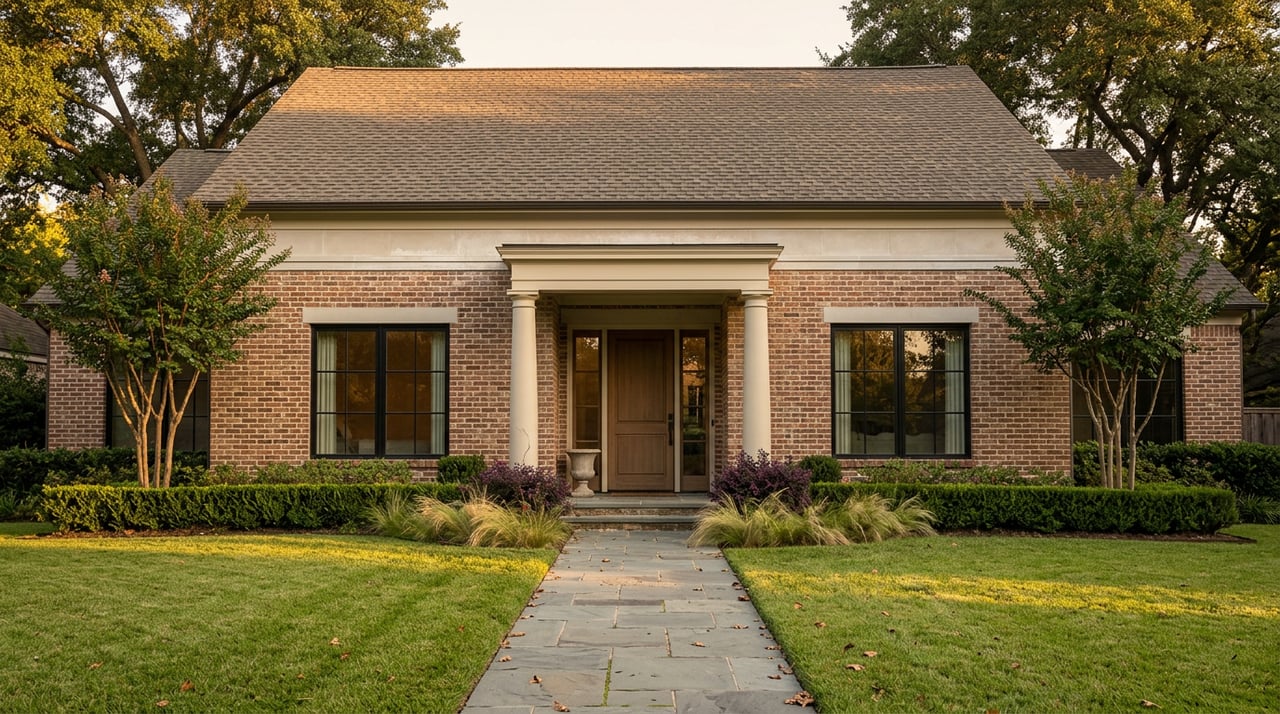
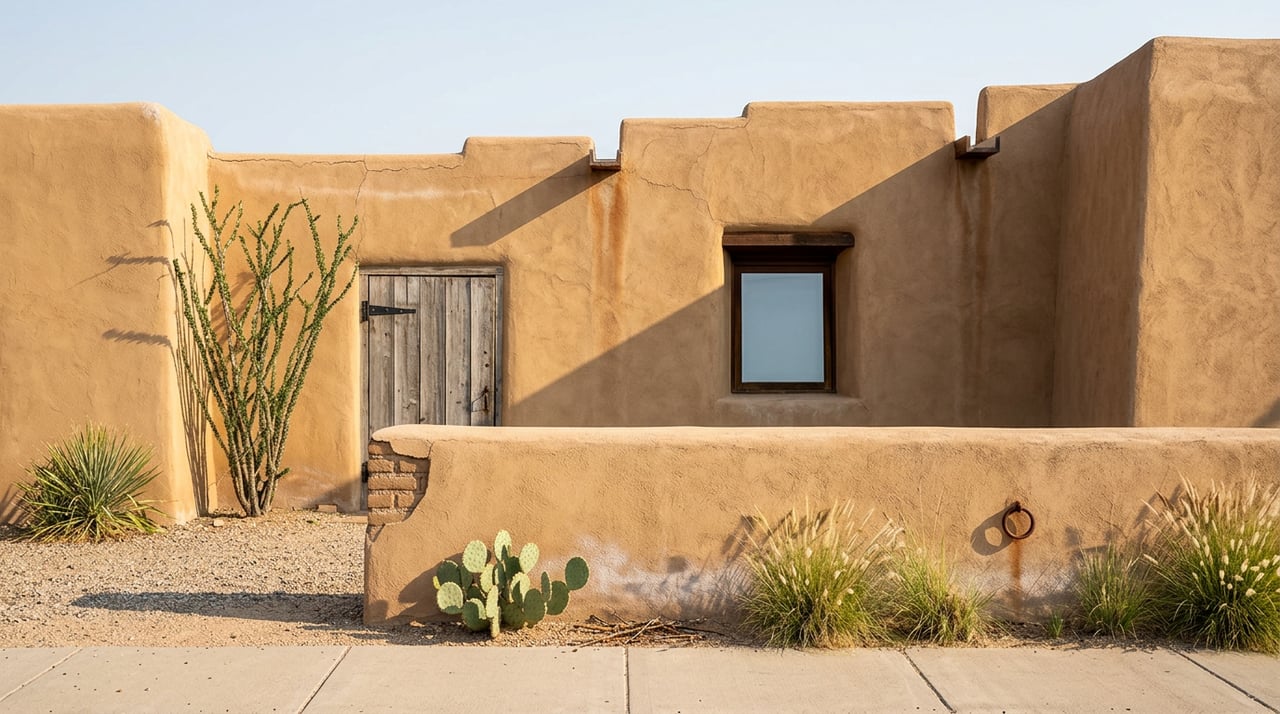
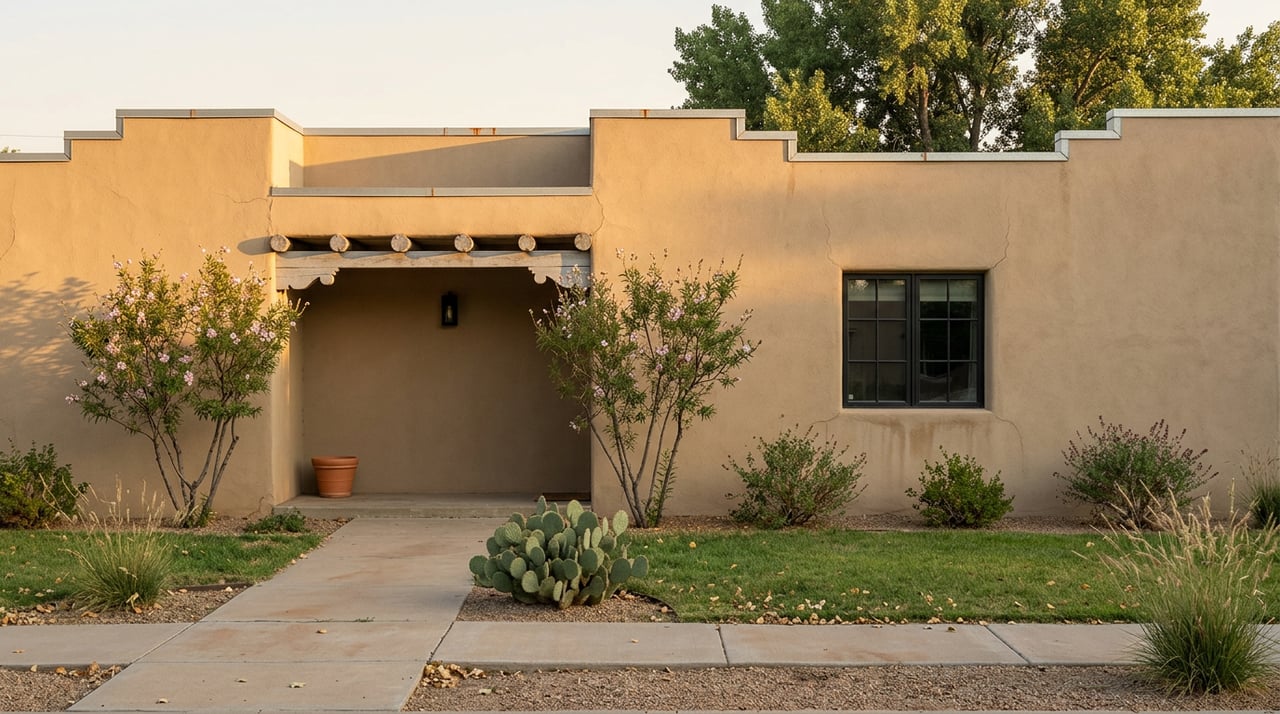
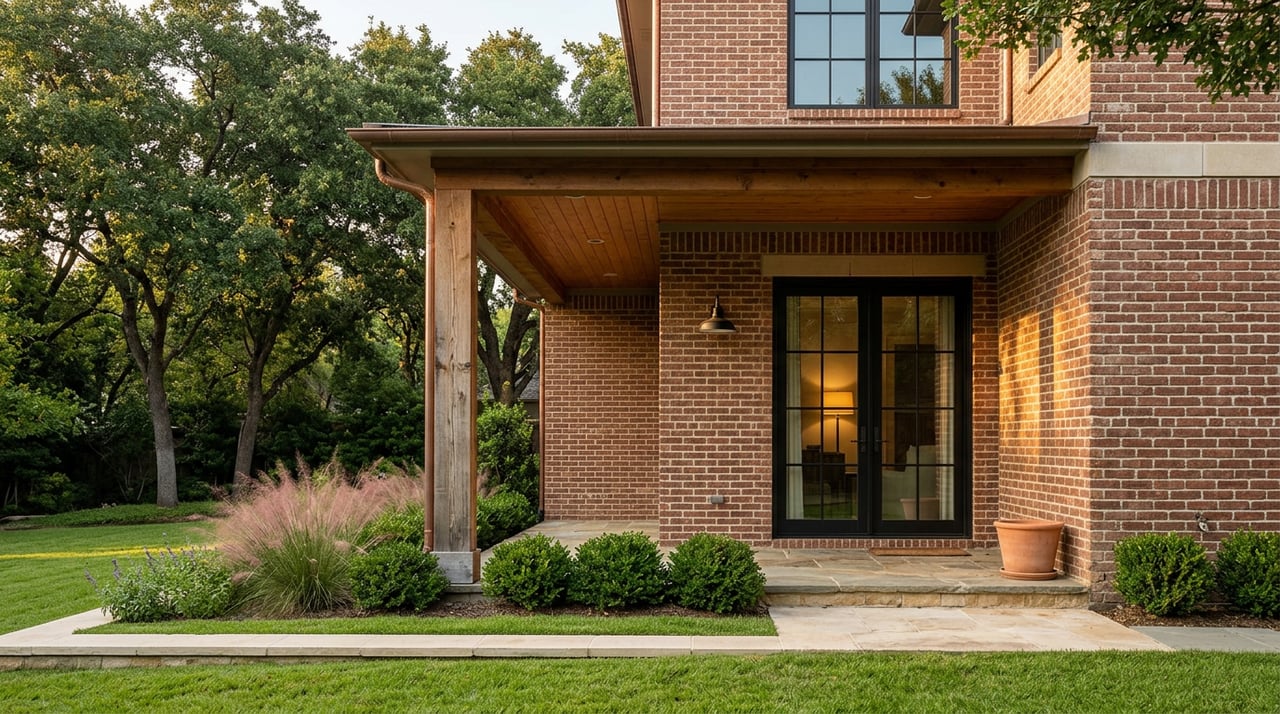
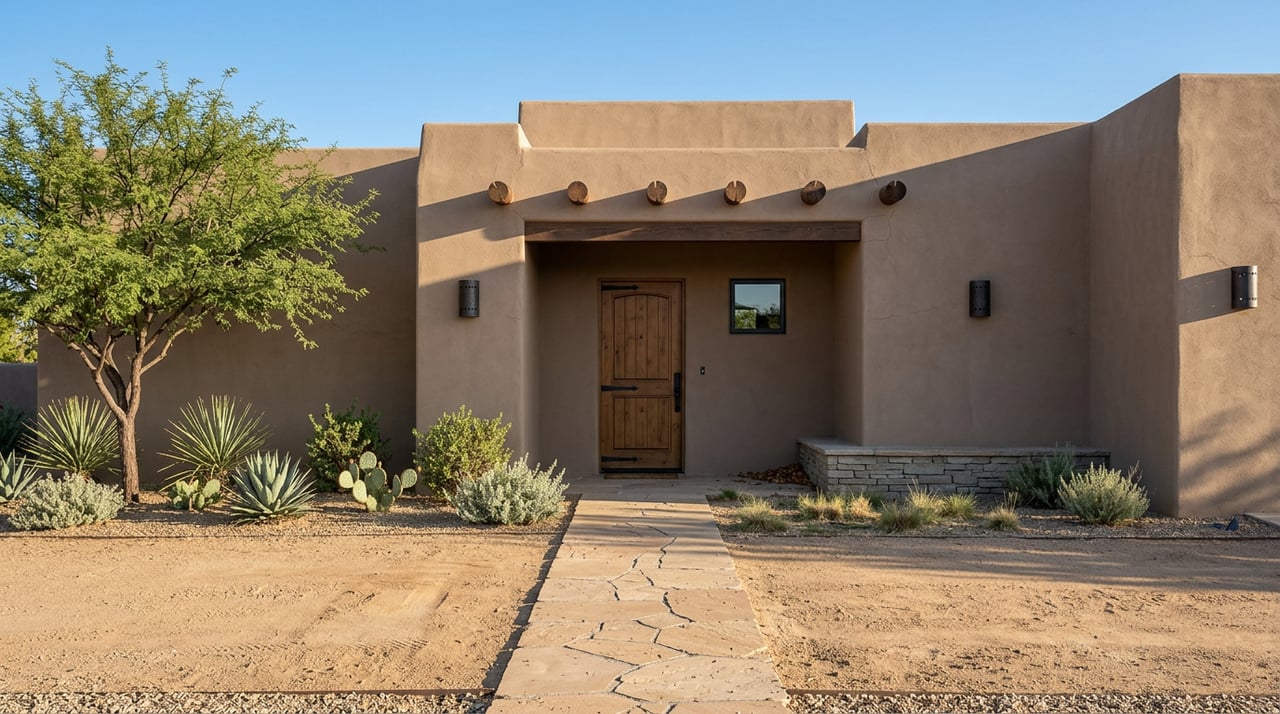
In Corrales, you will find ranch-style homes, Pueblo or Territorial-inspired adobe and stucco, renovated farmhouses, and custom modern ranches on acre-scale lots. Accessory barns, stalls, and corrals are common on equestrian parcels, and the historic zone near the Old Church has its own design controls. Planning documents note a 2020 median home value around $512,751, with current pricing best verified through live market data (Village Comprehensive Plan).
In Placitas, many homes are custom and sited for privacy, solar exposure, and Sandia views. Styles often blend Pueblo elements like vigas and thick walls with contemporary lines and large windows. You will also see single-level ranch forms and hilltop contemporaries. Pricing spans from land parcels to high-end custom homes, so request up-to-date comps before you set a budget.
Daily life and culture
Corrales leans into local food and the arts. You can expect farm stands, small vineyards, and the Corrales Growers’ Market running regular sessions, often midweek and Sunday mornings. Community galleries and arts groups, plus events like Music in Corrales and the Harvest Festival, set a lively small-town rhythm (Corrales agriculture and growers; Corrales Growers’ Market; Corrales arts partners).
Placitas is known for a strong artist community and the annual Placitas Studio Tour, where local artists open their studios to visitors. Day to day, you will find a lower commercial density than Albuquerque, with a handful of eateries and service spots. Many residents head to Bernalillo, Rio Rancho, or Albuquerque for broader dining and shopping options (Placitas Studio Tour listing).
Flood and fire awareness
Because Corrales sits along the Rio Grande, properties near the river can be near flood corridors and levee infrastructure. It is wise to check FEMA maps, review village hazard-mitigation notes, and discuss flood insurance requirements as part of your offer planning (Village Comprehensive Plan).
Placitas, by contrast, occupies the wildland-urban interface on the foothills. Evaluate defensible space, evacuation routes, and any local fuel-reduction work when you tour. Ask about recent inspections and insurance considerations tied to wildfire exposure (Cibola National Forest recreation).
Quick buyer checklist
- Water and sewer: Identify the exact water source, whether mutual system or private well, and confirm the latest Consumer Confidence Report. In Placitas, check for any recent advisories and arsenic treatment updates. In Corrales, confirm well, septic, and any acequia irrigation rights.
- Zoning and land use: Verify Corrales A-1 or A-2 designations and any agricultural exemptions, or Sandoval County rules and HOA covenants in Placitas.
- Fire and flood: In Corrales, review flood maps and insurance needs. In Placitas, assess wildfire risk, defensible space, and road access.
- Equestrian details: Confirm permitted uses, stable setbacks, and access to public easements or trails.
- Utilities and connectivity: Check broadband options, cell coverage, and hydrant or fire-suppression access.
- Schools and services: Confirm current district boundaries and bus routes directly with the district.
- Pricing: Ask for current MLS comps and recent closed sales. Planning documents and third-party snapshots lag the market.
Which one fits you?
- Choose Corrales if you want green valley scenery, acequia culture, and a strong equestrian framework on one- to two-acre homesites. You value local farmstands, a growers’ market routine, and quick river bosque access.
- Choose Placitas if you want foothill views, privacy, and immediate trailheads to the Sandias. You are comfortable verifying a specific water provider and living with hillside terrain and wildfire awareness.
- If you are undecided, tour both on the same day. Spend a morning at the Corrales Growers’ Market, then catch afternoon light from a Placitas overlook. The contrast is clear in person.
Ready to compare specific properties, verify water systems, and review acreage and zoning on your short list? Reach out for local guidance, current comps, and a smooth path to a semi-rural lifestyle that fits.
Explore your options with the white-glove support you deserve. Connect with the K2 Omni Group to align your wish list with the right homes and lots, then execute with a premium, data-driven plan.
FAQs
What is the typical commute time to Albuquerque?
- Corrales residents average about 29 minutes, while Placitas averages around 31 minutes, based on planning and community references for each area.
How do water systems differ in Placitas?
- Placitas relies on several small mutual water systems and cooperatives. Always identify the exact provider for a property and review the most recent Consumer Confidence Report and any advisories.
Are Corrales homes in a flood zone?
- Some properties near the Rio Grande may sit in or near flood corridors. Check FEMA maps, village hazard notes, and insurance requirements during due diligence.
Is horse ownership supported in Corrales and Placitas?
- Yes. Corrales formally supports equestrian uses with protected trails and facilities. Many Placitas owners also keep horses, using nearby foothill trails. Always verify local code, setbacks, and HOA rules.
What lot sizes should I expect?
- Corrales commonly offers one- to two-acre parcels due to A-1 and A-2 zoning. Placitas features a mix of one-acre and multi-acre lots across foothill subdivisions and custom parcels.
What should I verify before making an offer?
- Confirm water source and quality, septic status, zoning and covenants, flood or wildfire exposure, trail or easement access, utility coverage, and current MLS comps.