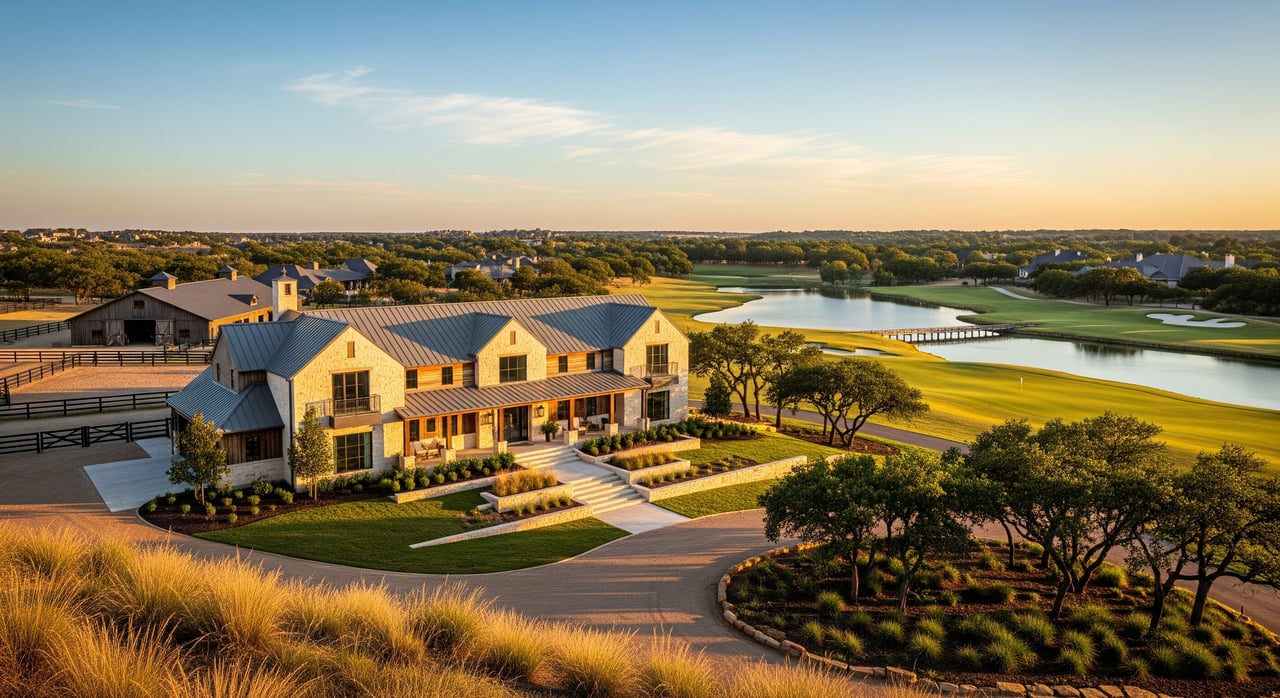
Trying to decide between Roanoke and Trophy Club? You are not alone. Both sit in the Dallas–Fort Worth region and offer strong suburban living, yet they feel different day to day. You want the right blend of commute, community, schools, and costs that fits your lifestyle. This guide compares both towns so you can narrow your search with confidence. Let’s dive in.
Quick snapshot
Roanoke and Trophy Club are neighboring North Texas communities near the Denton and Tarrant County line. Each gives you suburban comfort with access to major job centers in Dallas and Fort Worth. The choice often comes down to your priorities: a walkable main street and local events, or a master-planned environment with golf, trails, and lake proximity.
Housing and neighborhoods
Home types
- Roanoke: You will find a mix of historic and older homes near Old Town, plus newer subdivisions in surrounding areas. There is more variety in lot size and home age, with some small-lot infill and townhome or condo options close to downtown corridors.
- Trophy Club: Most homes are single-family within master-planned neighborhoods. Community amenities like pools, trails, and access to golf or a country club are common. Homes tend to be newer to mid-age, built around planned amenities.
Price and inventory
- Trophy Club historically skews toward higher-priced listings within amenity-rich communities.
- Roanoke typically offers a broader range of price points, including more entry-level or older inventory alongside new builds.
- Inventory and days on market change with the market cycle. Ask your agent to pull current MLS trends for the past 6 to 12 months before you make offers.
New construction
- Roanoke: Expect pockets of infill and new subdivision activity. Availability shifts as builders complete phases, so check active permits and current releases.
- Trophy Club: Newer and master-planned neighborhoods are a hallmark. Review HOA or property owner association documents for community standards and amenity details.
Commute and location
Both towns sit near key North Texas corridors. Routes to major employers can include SH 114, I-35W, I-35E, and tollways. Typical destinations include Fort Worth, Dallas, DFW Airport, and corporate centers along regional highways.
- Peak-hour travel can vary widely with construction and weather. Use live map tools to sample your commute at your actual departure times.
- Public transit is limited in many suburbs. Check regional options such as DART, Trinity Metro, the Trinity Railway Express, or TEXRail for the nearest stations and park-and-ride choices.
Schools and education
School options are a major part of this decision, but boundaries can shift. Always verify the school district and assigned campuses for a specific property through the district and the Texas Education Agency.
- What to review: TEA accountability reports, test scores, graduation rates, and college readiness metrics for the campuses that serve your address.
- Private and higher education: You will find private school options across the DFW area. Nearby higher-ed anchors include the University of North Texas in Denton and Tarrant County College locations in the broader region.
Use neutral, comparable metrics when you evaluate schools. If two homes you like fall in different districts, compare the specific campuses that serve each address.
Amenities and recreation
Downtown feel and walkability
- Roanoke: Known for its historic Old Town core with restaurants, small shops, and community events. If you like strolling to local dining or seasonal festivals, this area stands out.
- Trophy Club: Less of a traditional downtown hub and more of a planned community experience. Neighborhood amenities, a country club environment, and organized recreation are common.
Parks, trails, and water
- Trophy Club: Proximity to Grapevine Lake is a major draw for water recreation. You will also find golf, trails, and community green spaces designed into neighborhoods.
- Roanoke: Parks and trails serve local neighborhoods, and you are a short drive to larger regional recreation in North Texas.
Dining, shopping, and entertainment
- Roanoke: Old Town’s restaurant scene and small businesses create a local flavor.
- Trophy Club: Community centers and nearby retail corridors provide convenience, with quick access to bigger shopping and entertainment in adjacent cities.
- Both: You are within reach of DFW’s wider cultural amenities, sports venues, and airports.
Costs, taxes, and HOAs
Texas has no state income tax. Property taxes are a meaningful annual cost, and they vary by city, county, and school district.
- Property taxes: Check examples through the Denton and Tarrant County appraisal districts for current effective rates and an estimated annual bill on any home you are considering.
- HOA and club fees: Trophy Club often includes property owner associations and, in some areas, optional or required country club memberships tied to amenities. Roanoke has a mix of neighborhoods with and without HOAs. Review CC&Rs and fee schedules for each subdivision.
- Insurance and flood risk: Use FEMA flood maps to evaluate properties near lakes or creeks. Insurance premiums can vary with elevation and flood zone.
- Utilities and services: Confirm providers for electric, water, sewer, and trash through city utility pages. Factor average bills into your monthly budget.
Safety and governance
Safety should be assessed with objective data and context. Review multi-year trends from local police departments or the Texas Department of Public Safety. Remember that per-capita rates can look high in small towns because of smaller population bases.
For governance and services, check each city’s website for council structure, public safety, utilities, parks programming, and any recent bond or infrastructure initiatives that may affect your neighborhood.
Market trends and outlook
Both towns benefit from the DFW region’s growth, job expansion, and transportation access. These drivers support demand and potential long-term value. Factors that tend to help resale include:
- School quality indicators and stable attendance zones.
- Commutability to major job centers and DFW Airport.
- Community amenities such as golf, trails, and lake access in Trophy Club.
- Downtown revitalization, dining, and events in Roanoke.
Be mindful of broader market dynamics such as interest-rate shifts, affordability pressure, and congestion as the region grows. Balance lifestyle fit with liquidity and resale considerations.
Which fits your lifestyle
Choose Roanoke if you want
- A walkable main street feel with independent restaurants and local events.
- A wider spread of home ages, styles, and price tiers, including some infill and townhome options.
- Quick local errands and a small-town vibe within a major metro area.
Choose Trophy Club if you want
- A master-planned, amenity-rich community with golf, pools, trails, and organized recreation.
- Proximity to Grapevine Lake for water activities.
- Community standards and HOA structures, with fees that support amenities and maintenance.
Shared appeal
- Suburban comfort with access to Dallas and Fort Worth.
- Strong draw for commuters and households that value quiet neighborhoods with metro reach.
How to choose: a quick checklist
Use this step-by-step process to zero in on the right fit:
- Clarify your top three must-haves. For example: walkability, community amenities, or lot size.
- Test your commute. Drive your route during peak hours from each town to your job center.
- Verify schools for each address. Confirm district and assigned campuses, then review TEA accountability data.
- Compare HOA and club details. Read the CC&Rs, rules, and fees for your short list of neighborhoods.
- Evaluate property taxes. Pull an example tax bill for similar-priced homes in each area using the county appraisal districts.
- Assess flood and insurance. Check FEMA flood maps and get quotes to understand total monthly costs.
- Review recent sales. Ask for current MLS reports on inventory, days on market, and list-to-sale dynamics.
- Tour both areas. Visit Old Town Roanoke and Trophy Club amenities on the same day to compare feel and convenience.
Next steps
If you are torn between Roanoke and Trophy Club, a focused neighborhood tour and live market data will bring clarity fast. Our team can map your priorities, pull the latest MLS trends, and guide you through school verification, HOA rules, and cost comparisons so you move forward with confidence. Ready to explore your options and craft a winning plan? Connect with the K2 Omni Group to start your tailored search.
FAQs
What is the main lifestyle difference between Roanoke and Trophy Club?
- Roanoke centers on a walkable Old Town with restaurants and local events, while Trophy Club offers a master-planned environment with golf, trails, and proximity to Grapevine Lake.
How do property taxes compare in Roanoke and Trophy Club?
- Property tax rates vary by city, county, and school district; check the Denton and Tarrant County appraisal districts for current effective rates and example annual bills on homes you are considering.
Which town is better for commuting to Dallas or Fort Worth?
- It depends on your destination and route; both access major corridors such as SH 114 and the I-35 system, so test your drive during peak hours from each town to your workplace.
What school districts serve homes in Roanoke and Trophy Club?
- Boundaries can change and parts of a city can sit in different districts; verify the assigned campuses for each property and review Texas Education Agency accountability reports before you buy.
Are there HOA or country club fees in Trophy Club?
- Many Trophy Club neighborhoods include HOAs and some areas offer or require country club memberships tied to amenities; review CC&Rs and fee schedules for exact costs and rules.
Does Roanoke offer walkable dining and shopping options?
- Yes, Roanoke’s Old Town features restaurants and small shops with community events, while surrounding areas add convenience retail and quick highway access.
Which area offers more access to lake activities and golf?
- Trophy Club stands out for golf-oriented living and proximity to Grapevine Lake; Roanoke focuses more on a small-town downtown experience with regional recreation a short drive away.